




As winter fades, one of the first signs of spring isn’t just a blooming flower—it’s the emergence of a queen bumblebee. Unlike the worker bees you see later in the year, these queens are the sole founders of new colonies. Their survival in early spring is critical for pollinator health and biodiversity.Here is how you can support these vital pollinators in your garden.
Understand the Queen’s Journey
Bumblebee queens overwinter alone in small underground chambers. When they wake up, they are depleted and searching for three essentials:
- High-energy food (nectar and pollen)
- A safe place to nest
- Shelter from fluctuating weather
Plant Early Bloomers
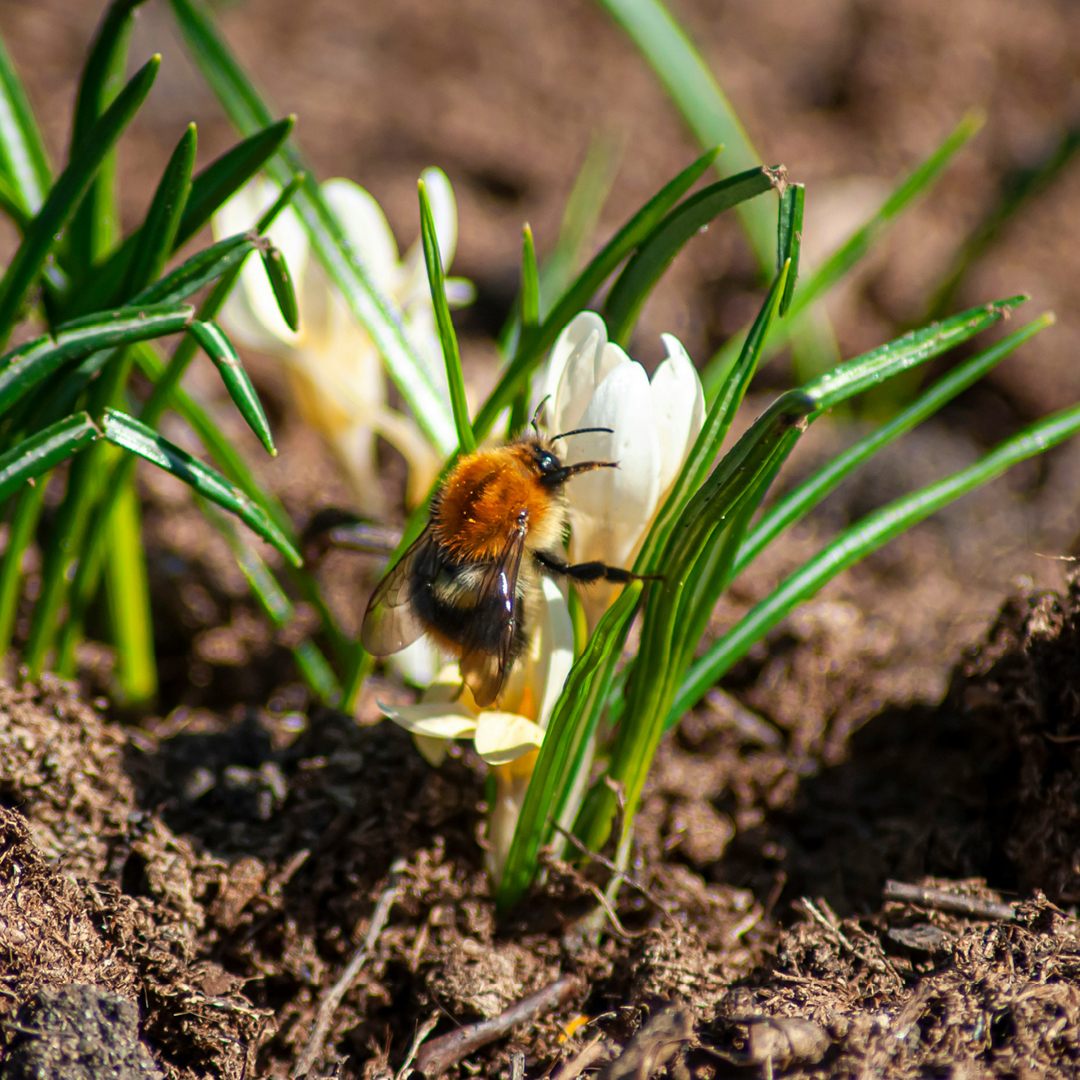
Because early spring flowers can be scarce, the queen is at her most vulnerable right now. You can increase her survival odds by planting early-blooming sources of nectar and pollen, such as:
- Trees & Shrubs: Willow, Red Maple, Serviceberry, Pussy Willow
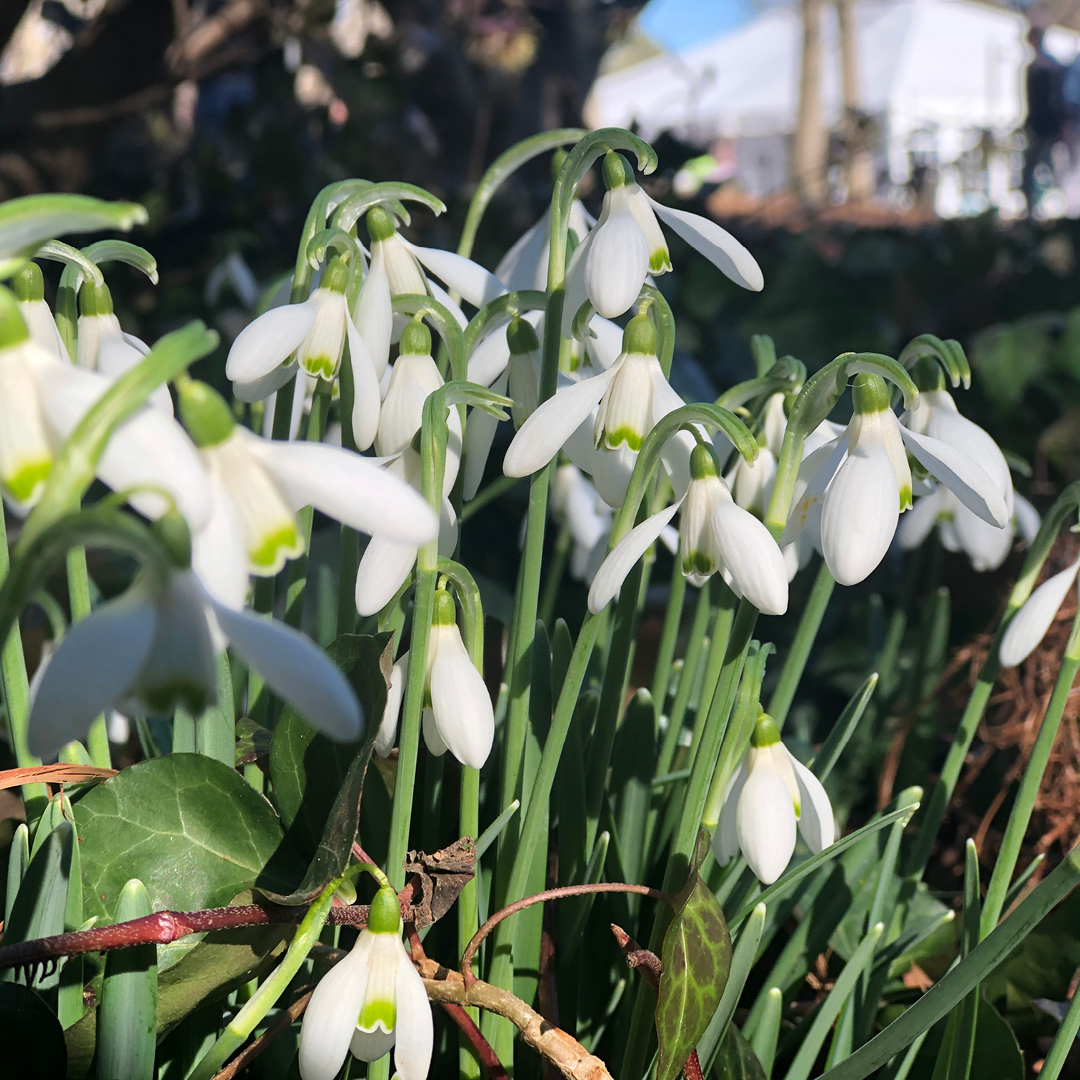
- Perennials: Crocus, Hellebore, Snowdrop, Lungwort, Wild Blue Phlox
Delay Your Spring Cleanup
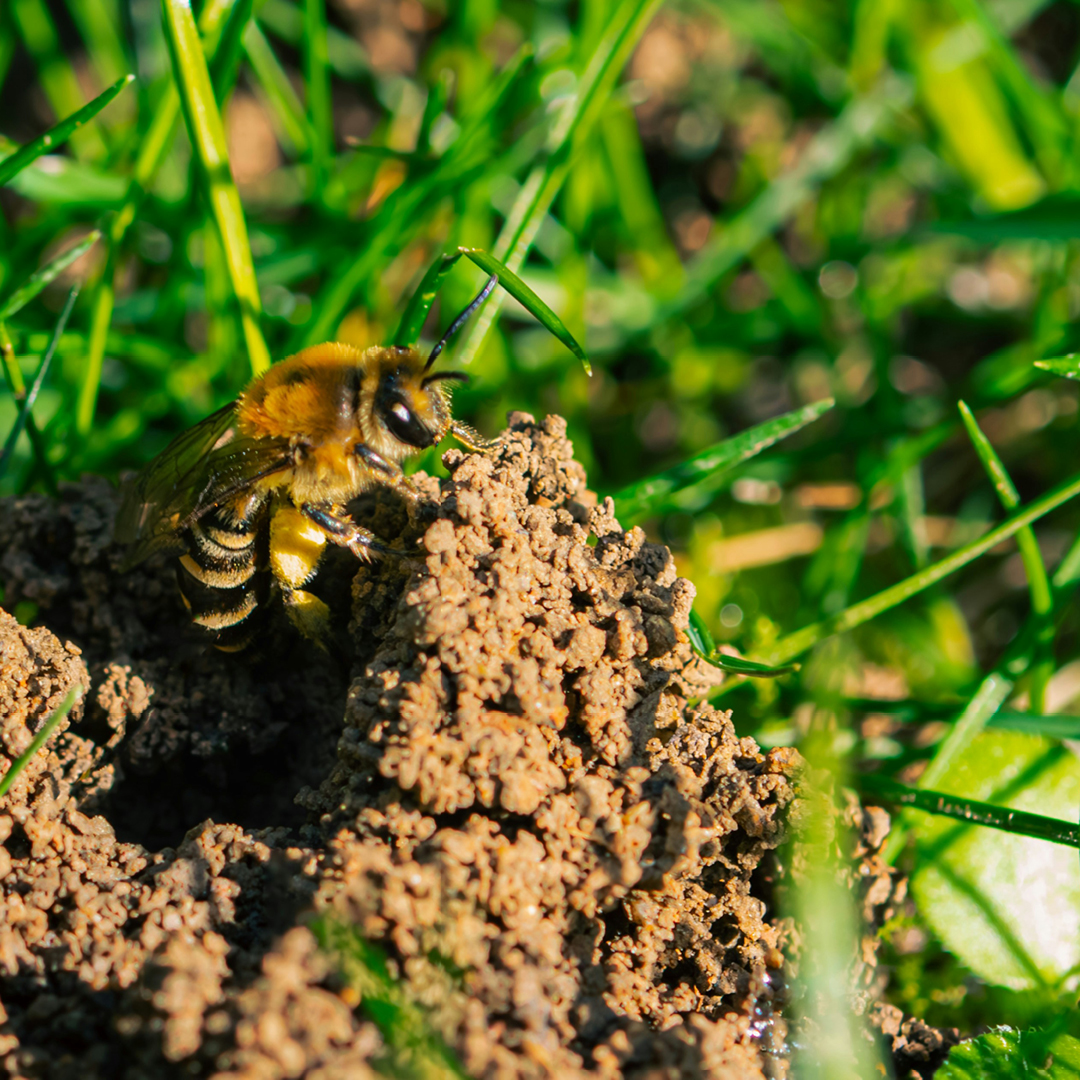
Sometimes the best way to help is to do nothing. Queens often hibernate beneath leaf litter and in shallow soil. To avoid disturbing them:
- Wait to rake: Delay clearing leaves until temperatures remain consistently warm.
- Avoid tilling: Do not dig deep in areas where bees were active last year.
- Leave wild spaces: Keep small patches of brush and undisturbed soil.
Create Safe Nesting Sites
Bumblebees don’t use hives; they look for protected cavities. To encourage nesting in your garden, preserve natural features like:
- Abandoned rodent burrows
- Tall, clumping grasses
- Brush piles and loose mulch
Avoid Harmful Chemicals
Early spring is the worst time for insecticides. Queens ingest chemicals from nectar, which can interfere with reproduction. Avoid systemic insecticides entirely and embrace a few “imperfect” plants—minor pest damage is a sign of a healthy, balanced ecosystem.
Provide a Water Source
Hydration is key for colony construction. Set out a shallow dish with marbles or pebbles to give the bees a safe place to land and drink without drowning.
Monitor and Adjust
Spotting a low-flying, large bee searching for a nest site is a great sign that your landscape is waking up. By supporting just one queen, you are helping to produce hundreds of future pollinators.
Ready to start planting? Visit Coppola’s today, and we can guide you toward the best early bloomers for a bee-friendly landscape.