



Monthly Archives: December 2025

Holiday Ornamentation

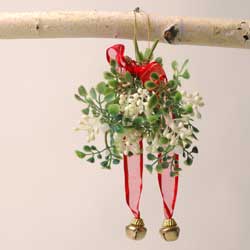
Are you less than enthusiastic to drag out the same old holiday decorations this year? It’s time for a change! If you’re like many of us, last year you vowed to update, replace and rejuvenate your ornament collection. Don’t wait! Stop by now for the best selection of a wide variety of themes, styles, sizes and colors.

Holiday Ornament Themes

There are many reasons why you may want to change and update your holiday ornament look. You could go for a completely themed look for a coordinated design – our various collections include…

  • Coastal, beach and seashore
  • Victorian elegance
  • Fairies and fantasy
  • Sports

Of course, we also carry all types of traditional ornaments in classic colors and themes. To bring a theme together, scatter a few new ornaments on the tree, then continue the theme along the mantle spilling it over onto the tabletops to freshen up the holiday ambiance. Or coordinate your new themed decorations throughout the room, such as by showing your gardening passion with flower ornaments on the tree, similar potted plants scattered about the room and several antique garden tools adorned with bows by the fireplace.

Perhaps you or a family member has a particular interest or hobby. A large Santa figure set atop a table or on the mantle can show your preference. Santa is a jolly old soul as he skis, fishes, pours wine or just carries a large bag full of goodies.

Coordinating Colors

Are you tired of a hodge-podge of different colors? Select just a couple of complimentary colors from your current ornament collection leaving those that don’t match packed away for another year. Add new purchases in the chosen color scheme to round out what you have and give your home a brand new, coordinated look. Attach additional matching ornaments to a holiday wreath with coordinating bow and hang. Or, completely change your color scheme! Assert your independence by choosing a brand new color combination, such as something new and unusual. For true elegance and sophistication, black and white is the new red and green!

Candles Galore

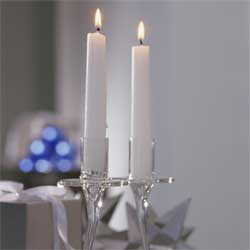
What would the holiday be without candles? Pillar candles of various heights on a decorative plate surrounded by greens and ornaments is a wonderful holiday choice. Floating candles in a glass cylinder with a sprig of holly beneath is exquisite. Scented candles tucked in the corner of the kitchen, bed or bath is always a charming idea and adds a whiff of delicious holiday baking or seasonal scents. Also consider taper candles in the windows, a candelabra on the dining table or a grouping of pillar candles as an elegant fireplace insert.

Lighting Up

The holidays wouldn’t be nearly as festive without lights. Several decades ago, bubble lights were the rage. They’re new again in a variety of sizes and colors, and are far more energy efficient and safer than vintage strands. Icicle lights, twinkle lights, micro-mini lights and fiber optics all create different moods. The new LED lights are available in fabulous colors and are also economical, lasting for many years.

No matter what your style, we’ve got you covered with a wide range of beautiful holiday decorations to take your seasonal décor to the next level. Stop in today to start creating your whole new look, and you’ll love your decorations more than ever.


Celebrating the Holiday in Small Spaces: Norfolk Island Pine

Is your space a little too tight for a full-sized Christmas tree? Do you dread the thought of lugging a seasonal evergreen up those narrow apartment or condo steps? Does the thought of vacuuming up all those pointy brown needles and disposing of the debris when the holiday is over provoke panic attack? Do you prefer a living decoration instead of chopping down a tree for a temporary ornament, but you don’t have anywhere to plant a larger pine? Fear not, a Norfolk Island pine may be the solution.

About Norfolk Island Pines

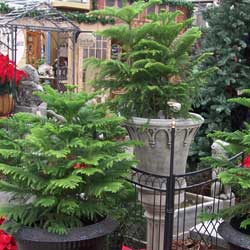
Norfolk Island Pine, Araucaria heterophylla, is a South Pacific native and makes a wonderful stand-in for the traditional indoor Christmas tree. This evergreen houseplant is smaller in stature with soft, lush, deep-green needles borne on graceful branches. It may be decorated with a strand of mini-lights and seasonal bows and enjoyed long after the holiday has passed.

Caring for this plant is easy, and with proper care you can enjoy your mini-pine long after the holidays end.

  • Place your Norfolk Island Pine in bright but indirect light. Turn the plant a quarter turn each week to help it grow straight and prevent it from leaning in the direction of the light.
  • Feed your tree with an all-purpose, balanced fertilizer labeled for houseplants once a month during the growing season. Allow the plant to rest from fertilization during the winter months and resume again in the spring.
  • Water when the top inch of potting mix feels dry. Allow all excess water to drain from the bottom of the pot (a drainage hole is essential). Be careful not to overwater or the roots may rot.
  • Humidity is important for a healthy plant, and is greatly reduced during the winter months when the heater is on. Running a humidifier, placing your plant on a humidity tray and grouping your houseplants together will all help raise the humidity level in your home to protect your pine.
  • Never prune your Norfolk Island pine. It will ruin the shape of the plant. The exception is if branches are damaged, but only trim as little as possible.
  • Replant when your plant outgrows its current pot, choosing a new pot that is just slightly larger than the old pot.

Decorating Norfolk Island Pines

While these trees have a distinct pine look, their small size and delicate branches cannot withstand great amounts of classic Christmas tree decorations. Instead of heavy bulbs and bulky light strands, use mini-lights and LED strands. Opt for miniature ornaments, thinner garland strands and other tree decorations sized for smaller trees to create a beautiful look without the tree seeming overwhelmed and without risking damage to the tree. A small tree skirt can help conceal a pot, and you can also hang additional ornaments or garlands from the pot itself.

Stop by and choose from our selection of Norfolk Island pine for this year’s Christmas tree or for holiday gift giving. We also carry a great variety of other holiday plants – succulents, bulbs, and more – ideal for gift giving.

Holiday Poinsettia Care

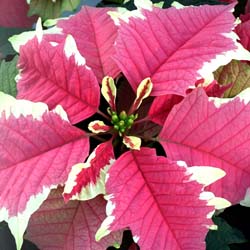
A poinsettia plant is the quintessential holiday decoration and hostess gift for holiday parties or visits. They’re great as a centerpiece, decorating a step or filling in any empty space with bold holiday color and cheer. You can even position multiple poinsettias into elaborate arrangements mimicking trees or other holiday shapes. Have a look at our poinsettia do’s and don’ts list to help keep your poinsettia lush and beautiful through the holidays and beyond.

  • DO place your plant in indirect sunlight for at least six hours per day. If direct sun can’t be avoided, diffuse the light with a shade or sheer curtain to prevent burns that can discolor the bracts or dry the plant out too quickly.
  • DO provide room temperatures between 68-70° Fahrenheit. Generally, if you are comfortable, so is your poinsettia. Cooler (but not cold!) temperatures will be better than hotter areas, but you must avoid sudden chills.
  • DO water your plant when the soil feels dry to the touch. Use distilled water without any chemicals or additives. If you must use tap water, allow it to stand for 24 hours before watering so chemicals can evaporate out of the water.
  • DO fertilize your plant after the blooming season with a balanced, all-purpose fertilizer if you hope to keep the plant thriving for many weeks. Use fertilizer properly according to the manufacturer’s instructions.
  • DON’T place plants near cold drafts or excessive heat. Avoid placing plants near appliances, fireplaces or air ducts, and minimize ceiling fan use or other drafts and breezes near the plant. Don’t place poinsettias near exterior doors that are opened and closed frequently.
  • DON’T expose plants to temperatures below 50° Fahrenheit. Poinsettias are sensitive to cold, so do not place them outside during the winter months.
  • DON’T overwater your plant or allow it to sit in standing water. Always remove a plant from any decorative container before watering so you can carefully gauge the water it receives, and allow any excess water to drain completely to minimize the risk of root rot.
  • DON’T expose your plant to chilling winds when transporting it. Use the plant sleeve provided when you purchased the plant. If you will be giving the plant as a gift, wrap it lightly with tissue when transporting it.
  • DON’T fertilize your plant when it is in bloom. After blooming, use the appropriate fertilizer and follow instructions carefully to provide your poinsettia with the proper nutrition.
  • DON’T give up on your poinsettia! These plants can be stunning for many weeks after Christmas, and with proper care you can enjoy your poinsettia for long after the holiday season.

Winter Vegetables on the Table

Winter marks a seasonal change. Our bodies seem to crave deeper, more tantalizing, richer tastes rather than light, bright, fruity flavors of summer. Harvesting vegetables in the late fall, and sometimes into the winter, presents us with bounty for slow, simple and savory cooking. All winter vegetables may be boiled, roasted, grilled, stewed, sautéed, steamed or eaten raw.

Which Vegetables Are Winter Vegetables?

Winter vegetables are generally considered those that are either harvested late in the season or have the capability of being kept for several weeks or months without losing their flavor, texture and nutritional value. Which of these will grace your table?

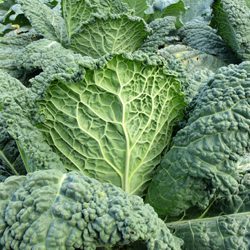
The cole, or cruciferous, vegetables such as broccoli, Brussels sprouts, cabbage, cauliflower, turnips and kohlrabi rank highly for many nutrients including vitamin C, soluble fiber and other nutrients with anticancer properties. Interestingly, boiling seems to reduce the potency of these nutrients, but other cooking methods don’t.

Root crops, including beets and carrots, sustain life around the world. Beets provide folate, nitrates and manganese in dishes such as borscht and pickled beets. Carrots contain diverse vitamins including A, C, K and B6 and antioxidants from carotenoids. Interestingly, recent research suggests many people prefer the flavor of steamed carrots to boiled.

Fennel, with its anise flavor, jazzes up meals throughout the world but is a favorite in Mediterranean and Italian cuisine. It tops nutritional lists with its antioxidant benefits. Try some raw in salads and appetizers.

Celery, related to fennel, adds a distinctive crunch when used in salads as a raw ingredient or a stronger flavor to soups and stews. With a mild taste, celery is versatile in a wide range of dishes, including mashes, stuffings and roasts.

Potatoes and sweet potatoes, long associated with the typical American holiday meal, contain many healthful benefits. According to research, boiling or steaming sweet potato provides the most health benefits; the phytochemicals in them rival that of broccoli. Roasting or baking potatoes is a healthy way to enjoy them, provided you are sparing with the toppings.

Winter squashes, from acorn to pumpkins, also serve as healthy sources of carbohydrates. Because 90 percent of the calories are starch-related, people are surprised at recent studies proving the antioxidant, anti-inflammatory and insulin-regulating effects of winter squash. Additionally, the roasted seeds make a delicious and healthful snack.

Winter Vegetable Recipes to Savor

Have you ever wondered how to roast vegetables? It’s easy! Just wash the vegetables, cut into 1″x1″ cubes, and place in mixing bowl. Drizzle over a few tablespoons extra virgin olive oil and mix to cover all pieces. Place as a single layer in a cookie or roasting pan. Sprinkle with salt and pepper and cook at 375⁰ Fahrenheit for approximately 45 minutes or until the desired texture is reached. Jazz it up with cinnamon, garlic, curry, rosemary or any other favorite spice or seasoning mix.

Here are some other recipes to bring these wonderful winter vegetables to your table. Bon appétit!

Roasted Winter Squash Seed and Cheese Ball Appetizer

Step 1: Roast winter squash seeds by cutting the winter squash in half and removing the seeds and stringy “gunk.” Put into a bowl half filled with water and rub between your hands to separate the seeds from the strings. Rinse the seeds again and spread out on a cookie sheet. Use a hair dryer or place in 150⁰ Fahrenheit oven to dry. Stirring every 10 minutes reduces drying time and ensures even drying.

Step 2: When dry, place seeds in bowl and combine with choice of seasonings. Mix thoroughly. Return to cookie sheet. Place in 275⁰ Fahrenheit oven for 10-20 minutes. Watch closely to prevent burning. When cool, chop finely to coat cheese ball.

Seasoning ideas

  1. Latino: 4 Tbs. melted butter, 2 tsp. chili powder, 1 tsp. oregano
  2. Asian: 4 Tbs. melted butter, 2 tsp. ground ginger, 1 tsp. hot mustard, 1 tsp. honey
  3. Holiday: 4 Tbs. melted butter, 2 tsp. cinnamon, 1 tsp. nutmeg, 2 tsp. sugar
  4. Use your imagination!

Step 3: Make cheese ball.

Ingredients:

2 pkg. (8 oz. each) softened Neufchatel cheese

1/2 cup shredded sharp cheddar cheese (Low fat)

Directions:

Beat Neufchatel and cheddar in small bowl with mixer until well blended. Refrigerate 1 hour. Shape into ball. Press seasoned winter squash seeds onto cheese ball.

Serve with complimentary crackers, tortilla chips, pretzels or flatbread.

Winter Squash Casserole

(serves 2)

Ingredients:

2 Cups winter squash, peeled and cut into 1-inch cubes

3 Tbs. extra virgin olive or macadamia nut oil

1 tsp. orange juice

1 tsp. lemon juice

Directions:

Steam squash chunks, covered, for 7-8 minutes, until just tender

Mix remaining ingredients, pour over squash in bowl

Toss while still warm. Serve.

Other Ideas:

  • Cook 1/2 C chopped onion with squash, or
  • Add fresh herbs such as basil or rosemary to liquid dressing, or
  • Sweeten with 1 tsp. cinnamon and 2 tsp. honey, or
  • For Asian flavoring, add 1 Tbs. minced fresh ginger, 2 tsp. soy sauce

Super Easy Grilled (or Baked) Cauliflower

  1. Remove the leaves. Cut the head in two, core the stem. Place both on large piece of heavy-duty foil.
  2. Melt 1/2 Cup butter with 2 tsp. garlic salt and 2 tsp. lemon pepper.
  3. Drizzle half of butter mixture over each half and sprinkle each with 3 Tbs. parmesan cheese
  4. Rejoin the two halves and drizzle remaining butter mixture on the outside.
  5. Fold foil around, creating a ball.

Cook at 350⁰ Fahrenheit for approximately an hour or until soft. Delicious!

Tools for Holiday Gift Giving

It’s easy to shop for gifts for the gardeners on our holiday list. There are always new tools available for the serious, and not so serious, gardeners in our lives. In fact, there may be too many to pick from, but we can help you narrow down the selection to find the perfect gift.

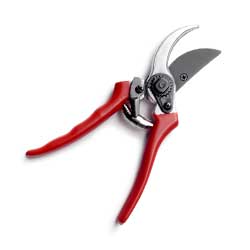
  • Pruners
    Every gardener faces the need to prune or deadhead flowers at some time. From hand pruning a wayward twig to removing a branch 10′ overhead, there is a pruning tool to make any job easier.Because everyone’s hands and hand strengths are different (and some folks are left-handed), hand pruners are the most personal of garden tools. Two well-known companies, Corona and Felco, produce hand pruners and saws. Hand pruners come in two basic styles: by-pass pruners have two sharp blades that pass each other when cutting, while anvil pruners have one sharp blade cutting the material against the other flat blade. Both companies offer several models of these styles to accommodate different pruning needs, sizes of hands, hand strengths and orientations. New ergonomic models optimize hand strength and minimize discomfort.Another option is a pruning saw, which is different from any old saw. A larger sheath model saw makes short work of removing a large branch. A smaller fold-up model is great to have in a gardener’s pocket while making the daily rounds. Different models, with different lengths and teeth sizes, ease sawing effort. Check out our gift shop to see all the options.

    When an overhead branch requires removal, a gardener appreciates a pole pruner. Not only is it a hassle to get out the ladder, it’s dangerous to perform the sawing and pruning motions when balancing. The redesigned Fiskars pole pruners are powerful, with a telescoping pole to 12′ extension. If the branch is too large for the pruner, the detachable saw blade cuts through it. Unlike the old style pole pruners, there are no ropes to pull (and tangle in the tree!). Pruning heads even swivel to get a closer and cleaner cut. The Fiskars pole pruner, or Pruning Stik®, won’t fit in your gardener’s stocking, but it’s certain to be a winner!

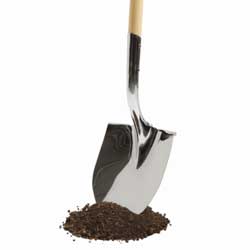
  • Shovels and Spades
    Shovels and spades are other key gardening tools. While many shovel versions exist, the round point shovel is the most common. The heavy-duty blade point pushes through the soil and the rounded blade scoops the soil. Square-edged shovels also scoop soil and other materials in addition to digging but don’t have the point. Spades, basically a smaller version of a shovel, are usually flatter. Most shovels have a rolled lip, or rim, on the top of the blade. This is where the user puts their foot to push the tool into the soil. The larger the rim, the more comfortable for the foot when doing a lot of digging.Better quality shovels and spades are powder coated to prevent rust, are pre-sharpened, and the blade is welded or forged to the shaft. Shafts vary in style and material. Wood, plastic or fiberglass shafts may be straight or end with a handle. A fiberglass shaft lasts longer than wooden shafts and doesn’t require annual maintenance and cleaning. Ergonomic designs reduce the chance of wrist injury. Other shovel/spade specialties include the trenching shovels to dig deeper than the standard 12 inches, border spades and smaller sized round point shovels to dig smaller holes or working around existing landscape. And don’t forget trowels and other hand digging tools. If your gardener has a special digging or scooping need, there’s a shovel or spade for it.
  • Hoes
    Hoes may seem old-fashioned, but there are new designs every gardener can appreciate. Used since ancient times, the hoe performs many functions in the garden depending upon its configuration. The regular hoe’s rectangular shaped blade, positioned at a right angle to the shaft, weeds and shallowly cultivates. The V-shaped version, also called the Warren hoe, has a point to dig furrows for seed planting. The other side closes the furrows after planting. The “weeding” and “action” style hoes make short work of removing weeds.
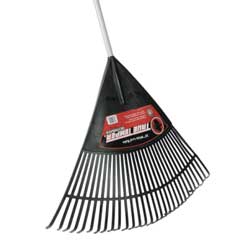
  • Rakes
    A rake is another essential tool. Think of a leaf rake as a large hand – it allows the user to gather a large amount of material such as leaves and debris. Rakes may be metal or plastic, quite large to cover a large area quickly or quite small to get under plants without damage. Rakes are practical and save time and energy. Specialized rakes include the two styles of garden rakes, flat and bow, and thatch rakes to remove thatch from lawns to keep turf lush and thick.

There’s just one problem with giving these larger tools as gifts – they’re very difficult to wrap!